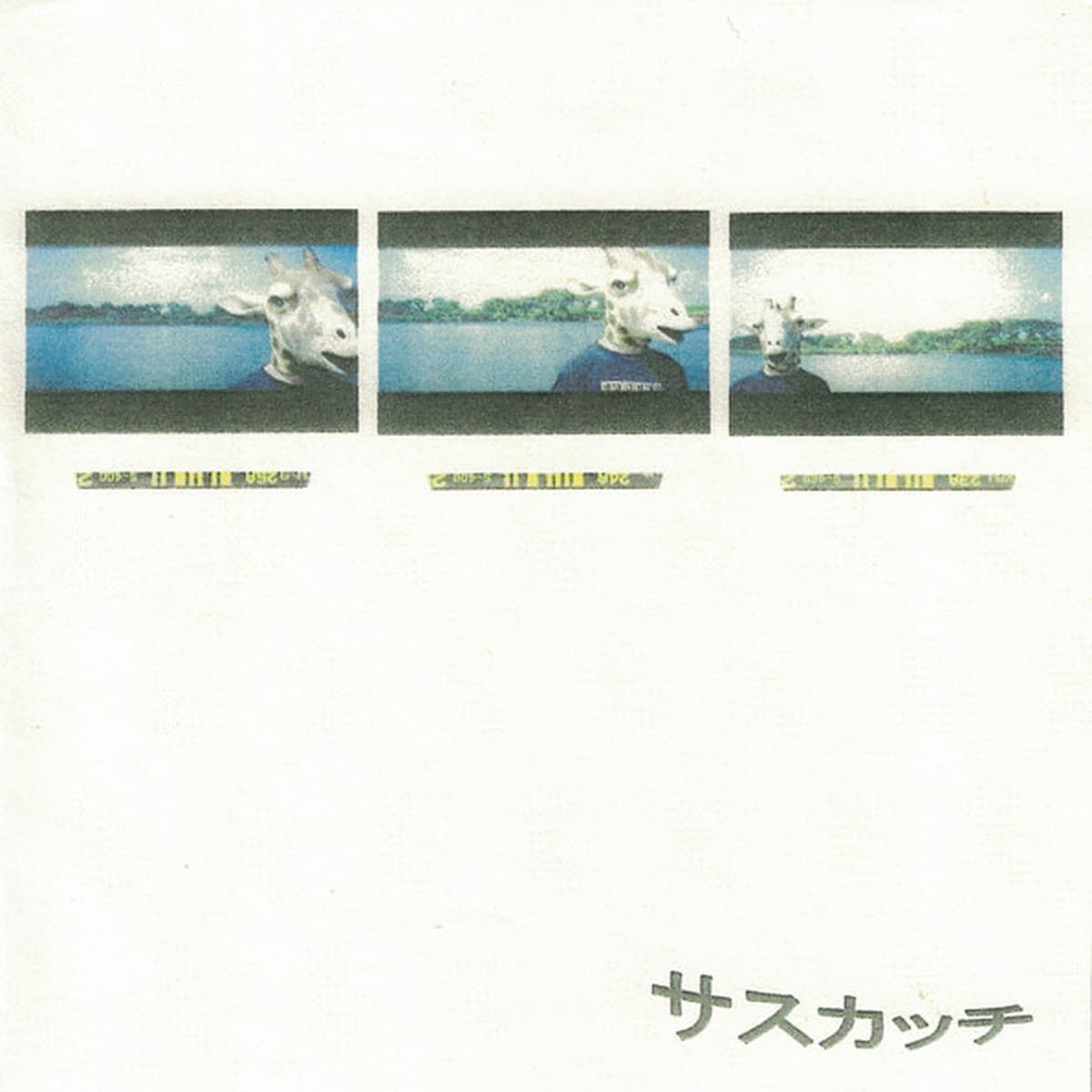
2003 / EP
file under:songs that
refuse to sit still
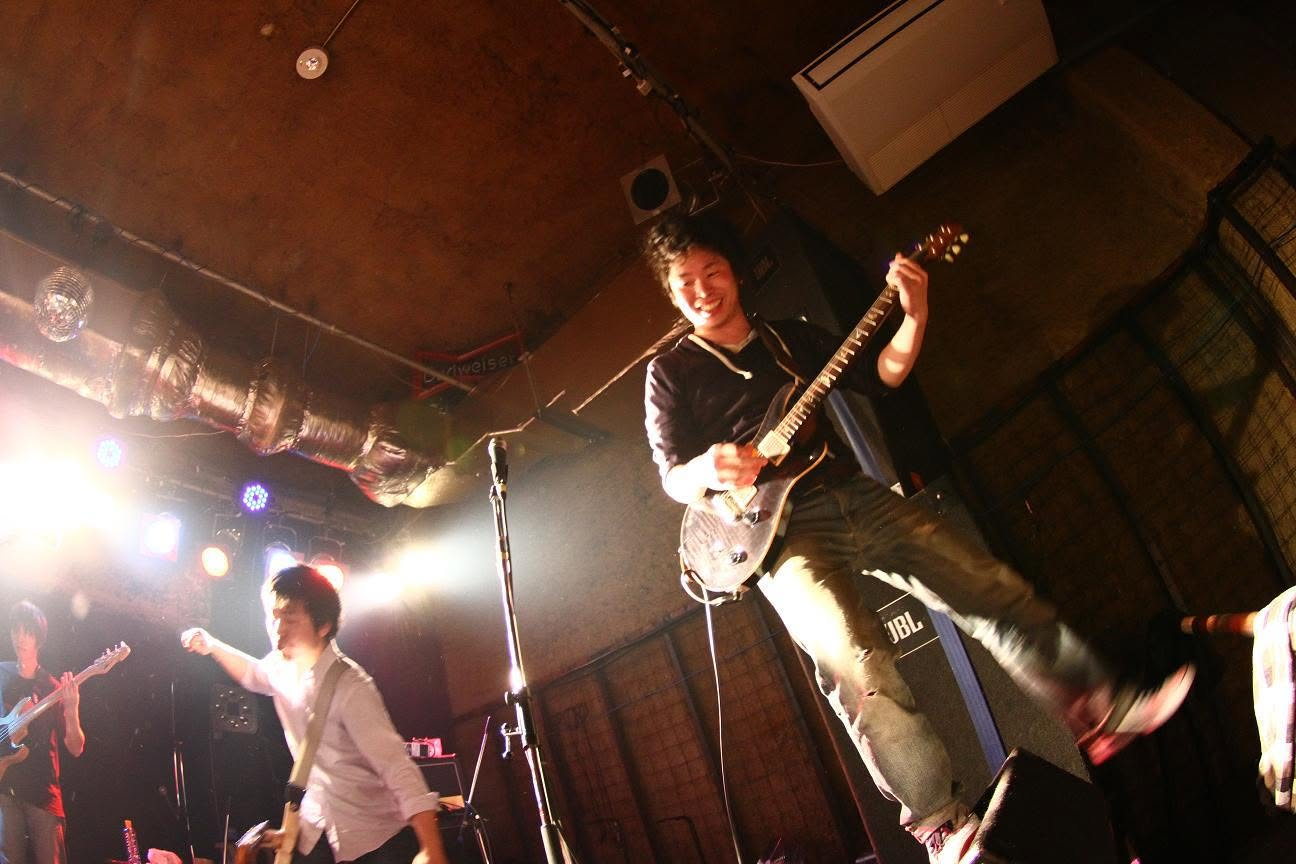
Intricate guitars, impossible drums and melodies that never really left.
サスカッチについての非公式記録
Enter the archiveBackground notes
Four musicians making pop songs took the scenic route.
Formed in Tokyo, Japan in 2002, Susquatch (stylized as susquatch) is an underground Japanese math rock band known for blending technical musicianship with emotional songwriting. Founded by vocalist and guitarist Kenta Oshikiri and drummer Maki Nakano, the band developed a distinctive sound that combined elements of math rock, post-hardcore, indie rock, jazz, and progressive rock. Although they never achieved mainstream success, Susquatch has become a cult favorite among fans of Japanese rock around the world.
One of the band’s defining features is its intricate musicianship. Their songs often feature complex guitar work, shifting time signatures, and dynamic song structures that move between soft, melodic passages and energetic climaxes. Drummer Maki Nakano is especially praised for her technical skill and creative playing, with many fans considering her one of the standout musicians in Japan’s underground rock scene.
Susquatch is also known for the unique vocal style of frontman Kenta Oshikiri. Rather than singing entirely in Japanese or English, he often used a self-created vocal style that imitated the sound and rhythm of English to emphasize emotion over literal meaning. This approach gave the band’s music a distinctive identity and helped connect with listeners regardless of language.
After releasing early demos and the Water Plant EP, Susquatch gained wider recognition with their debut album, In This World (2009), which is widely regarded by fans as their best work. Featuring songs such as “Spin The Words”, “Glass Marbles”, and “Ghost,” the album showcased the band’s signature blend of technical precision and emotional depth. They followed it with TOY BOX BRAIN in 2011, which expanded their sound with more polished production and experimental songwriting.
Following the release of the single 4th in 2012, the band became inactive. Although no official breakup has ever been announced, the members have pursued other projects while leaving open the possibility of returning in the future.
Despite releasing only a small catalog of music, Susquatch continues to be discovered by new listeners through streaming platforms and online communities. Their innovative sound, emotional performances, and exceptional musicianship have earned them a lasting reputation as one of the most underrated bands in Japanese math rock.
“I don’t want a song you can let pass without anything catching you.”Kenta Oshikiri, paraphrased from CINRA, 2009

Listen here
The clearest doorway into the band’s melodic, restless sound. Start here, then follow the guitars outward.
Photographs
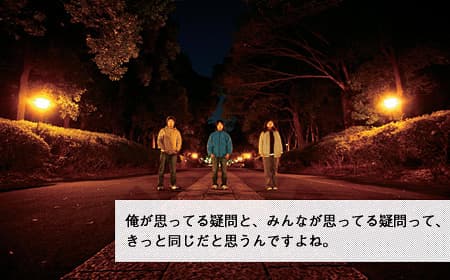
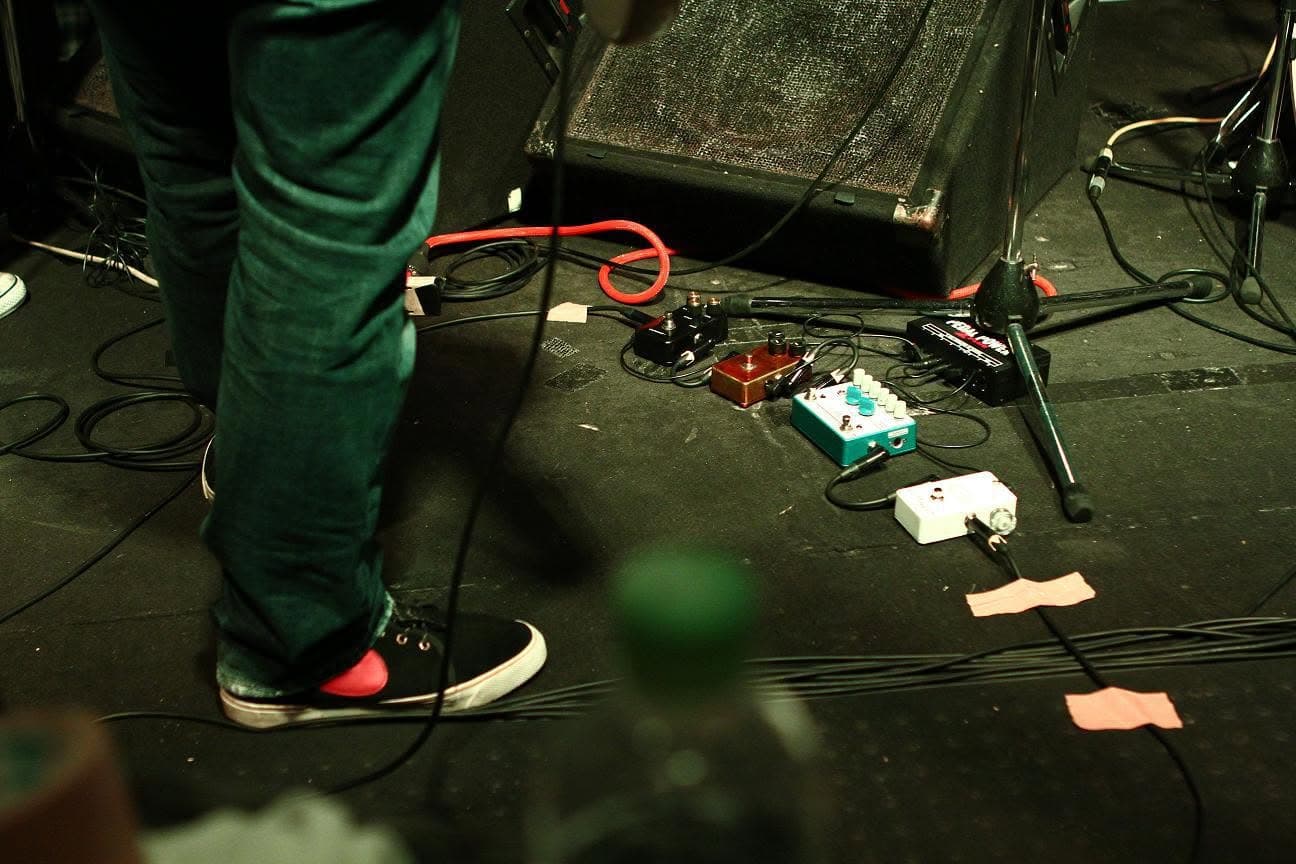
Interview photographs preserved with their original publication context.
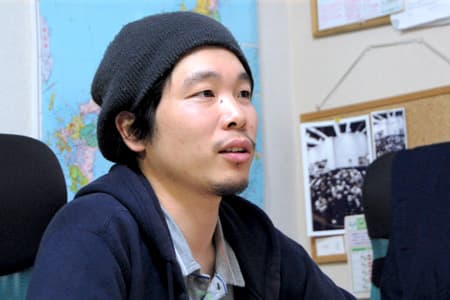
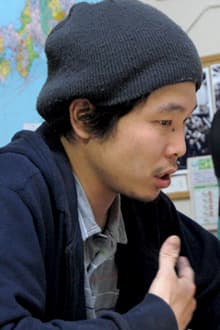
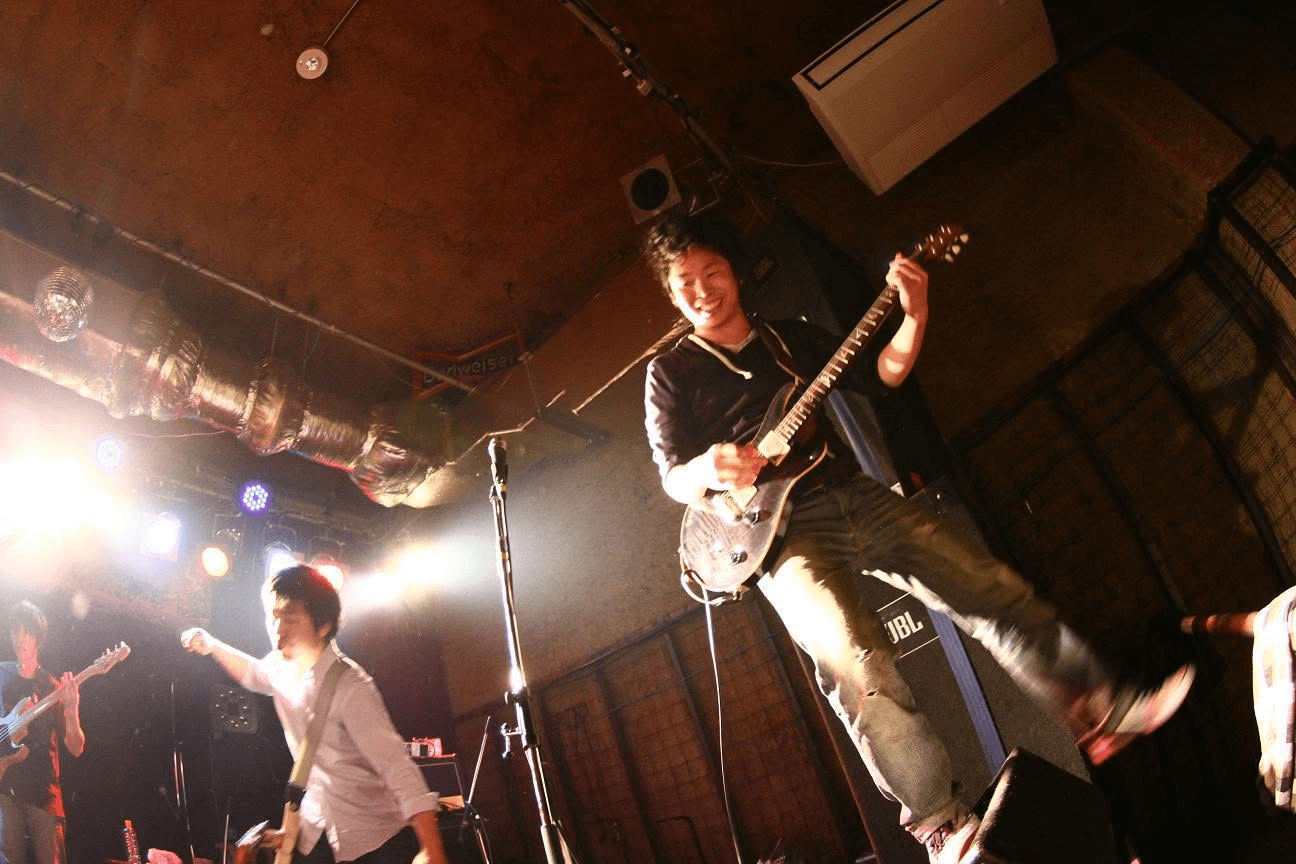
From the Facebook archive
View the band’s photos ↗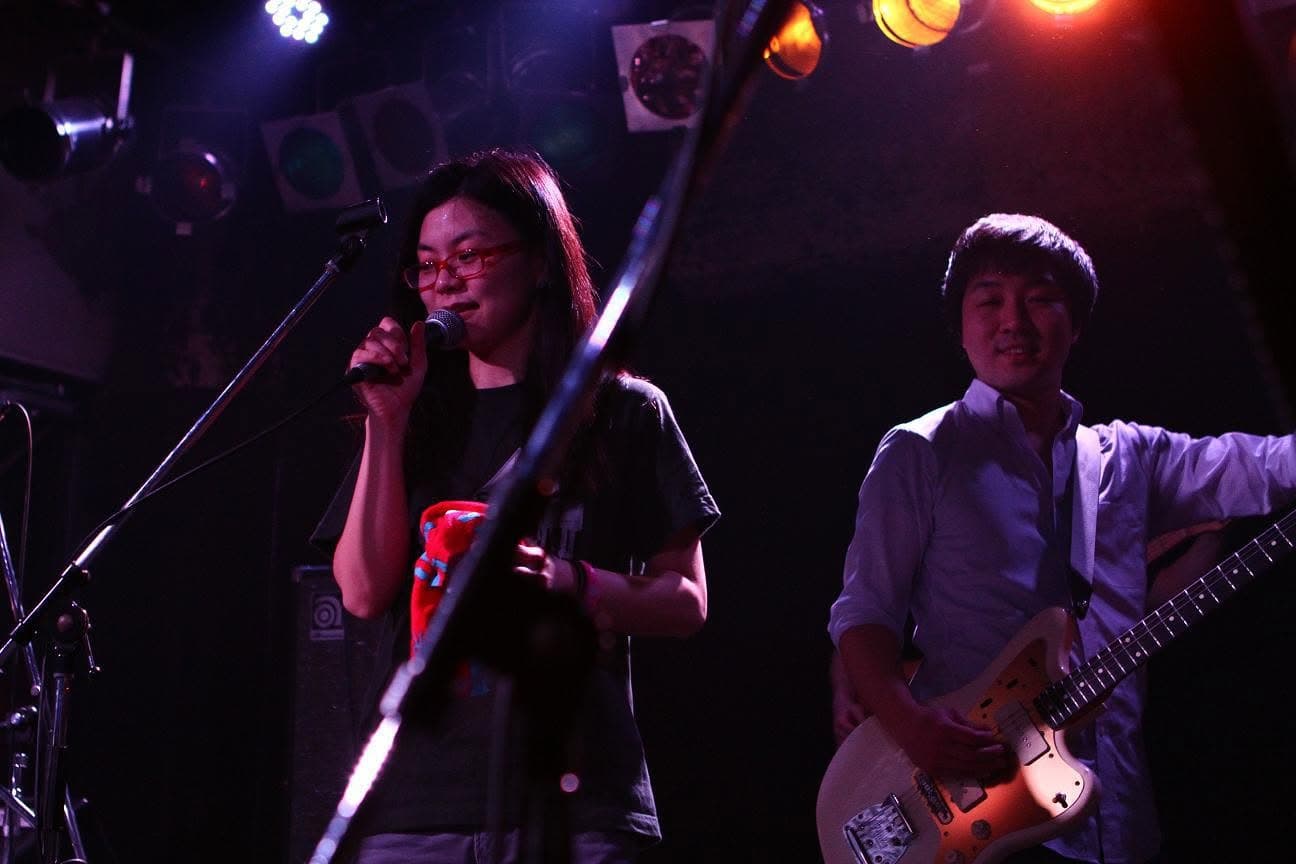
Recorded works
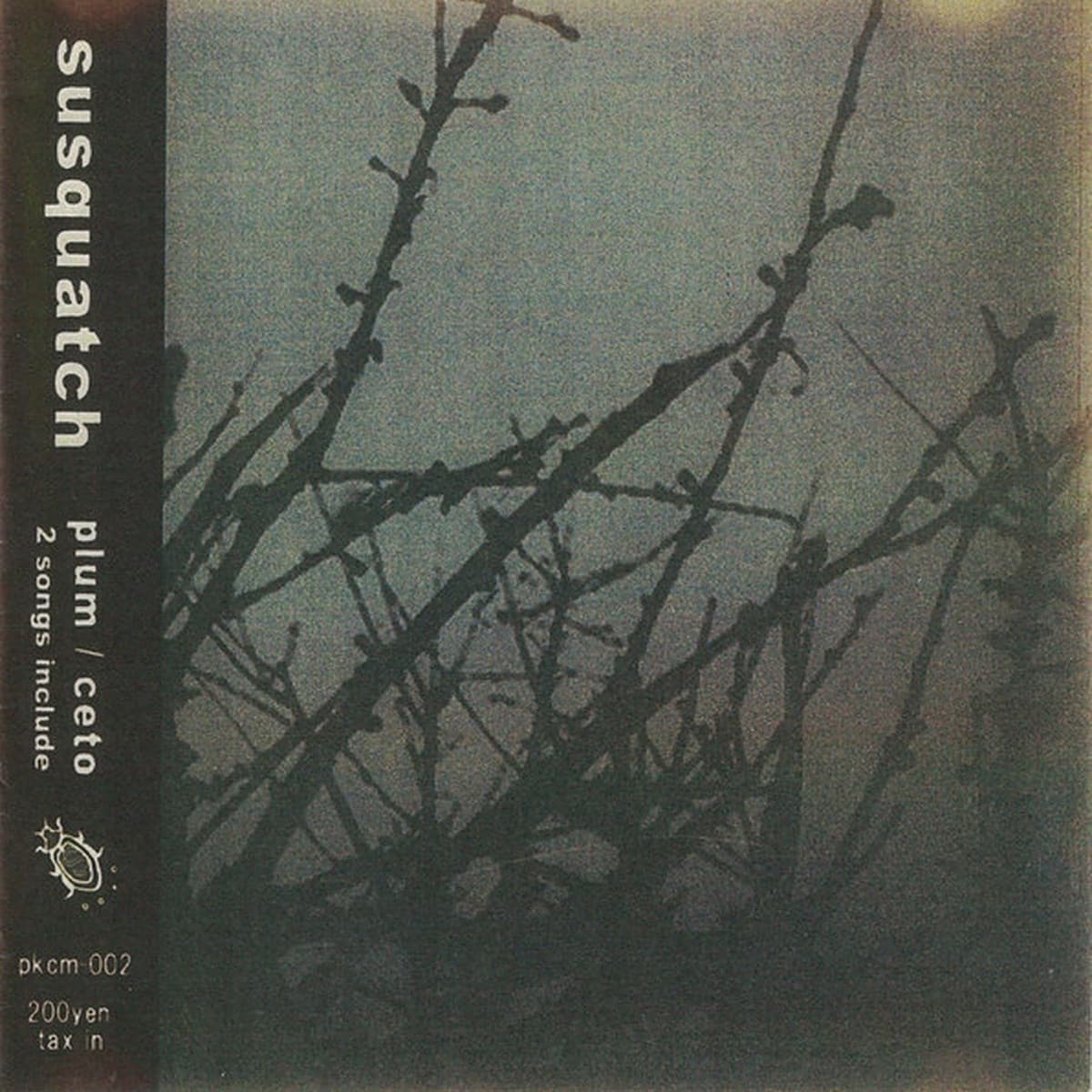
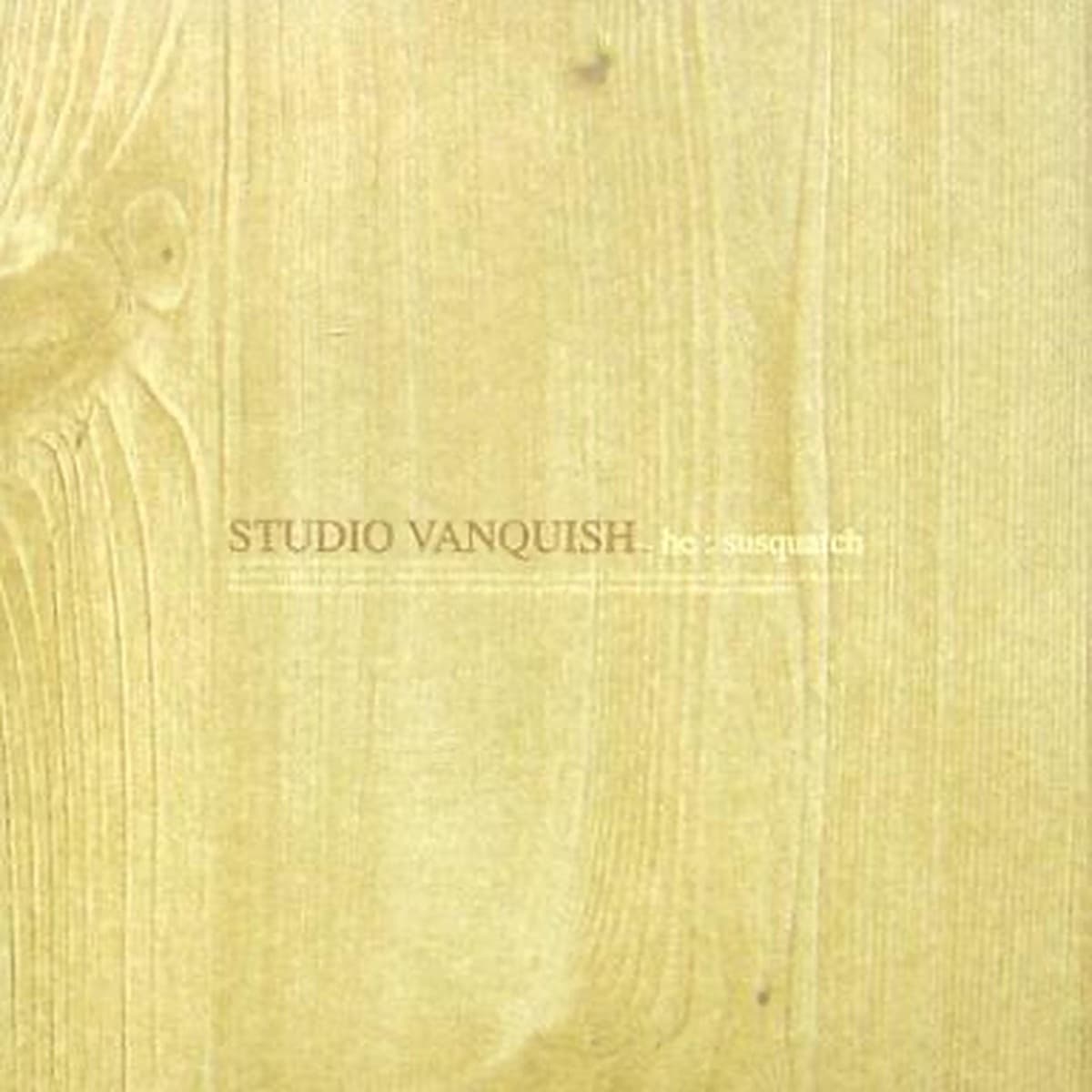
Original release artwork, ordered chronologically. Select a cover to listen or open the release.
2003 / EP
2004 / Single

2007 / Mini album
2009 / Single
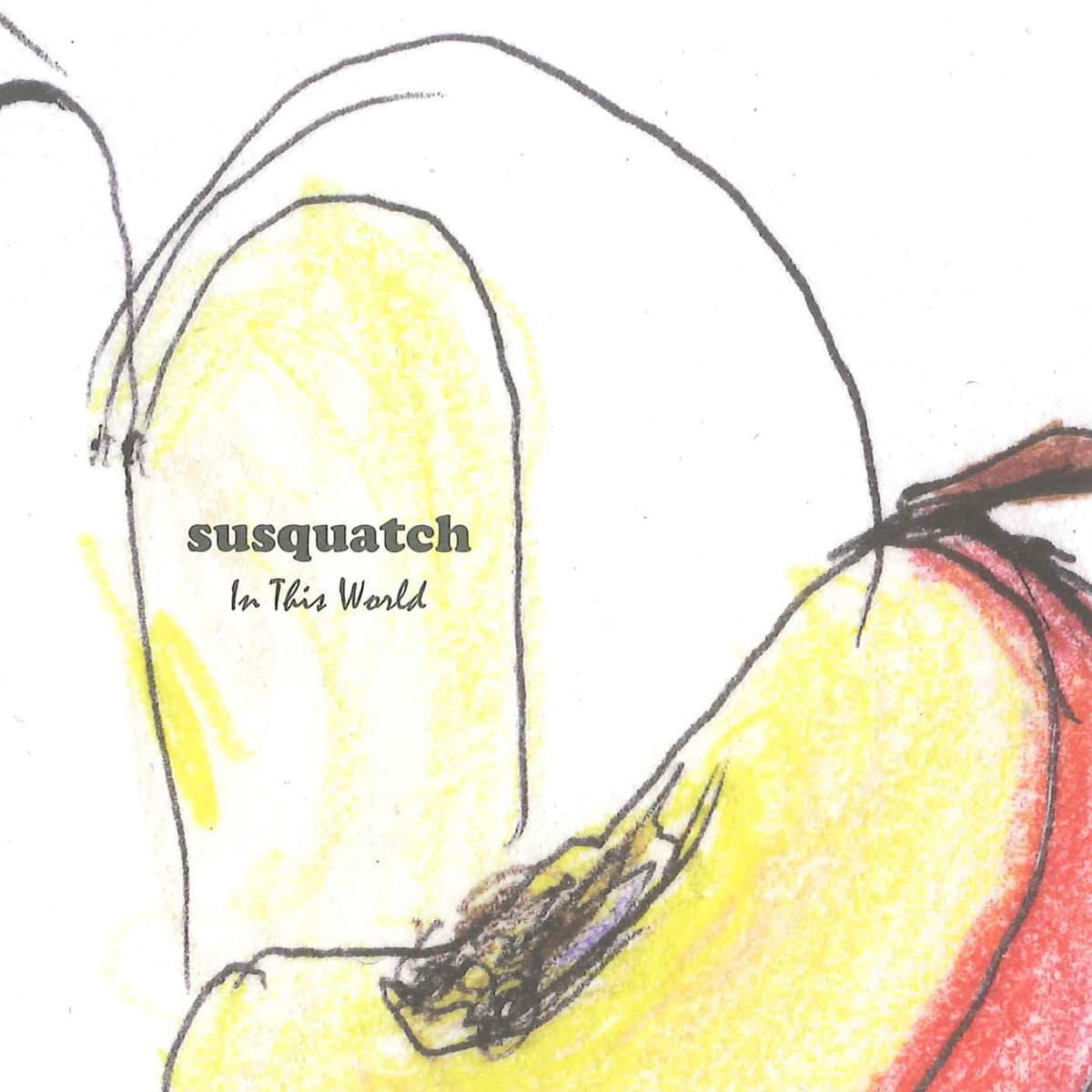
2009 / Album

2011 / Album

2012 / Single
Cover art served from official Apple Music release listings; recordings credited to K-PLAN and current digital distributors.
The voice as sound
/ pan · ya · go /
Oshikiri’s invented, English-sounding vocal language gives the voice meaning through rhythm, tone and emotion rather than literal translation.
On In This World, Japanese “image lyrics” offered a feeling—not an answer—for every song.
Selected history
Kenta Oshikiri and Maki Nakano begin susquatch after meeting at music school in Tokyo.
Six songs establish the band’s interlocking guitars, abrupt rhythmic turns and melodic center.
The first full album arrives: ten compact songs balancing complexity with pop instinct.
The band plays Vancouver, Toronto and Montreal with Next Music from Tokyo Vol. 2.
A second album expands the palette without losing the pulse.
Nakano departs. The documented trail grows quiet, while the catalogue keeps circulating.
Independent archive / Tokyo, 2002—